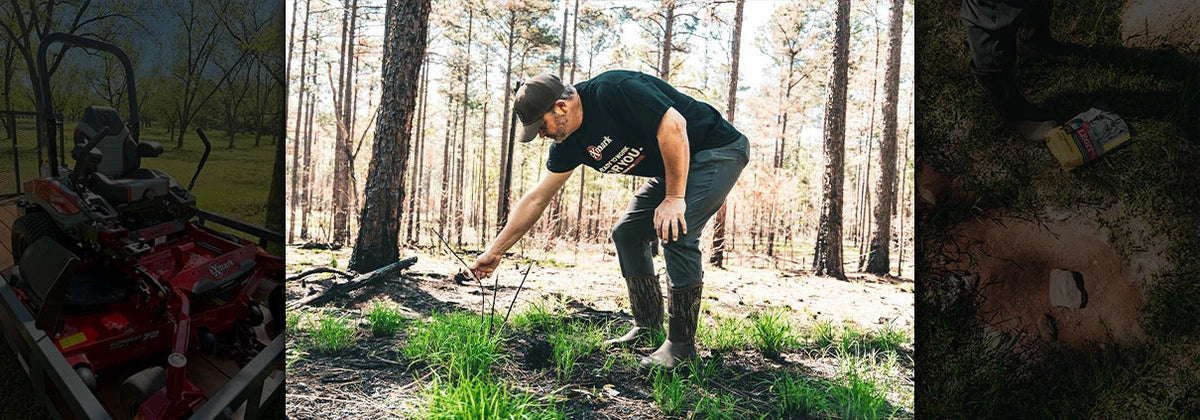
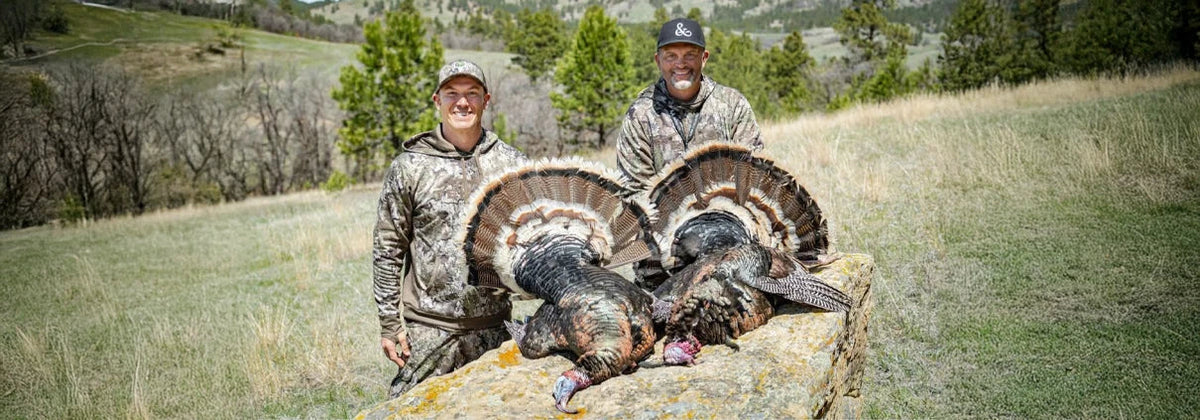
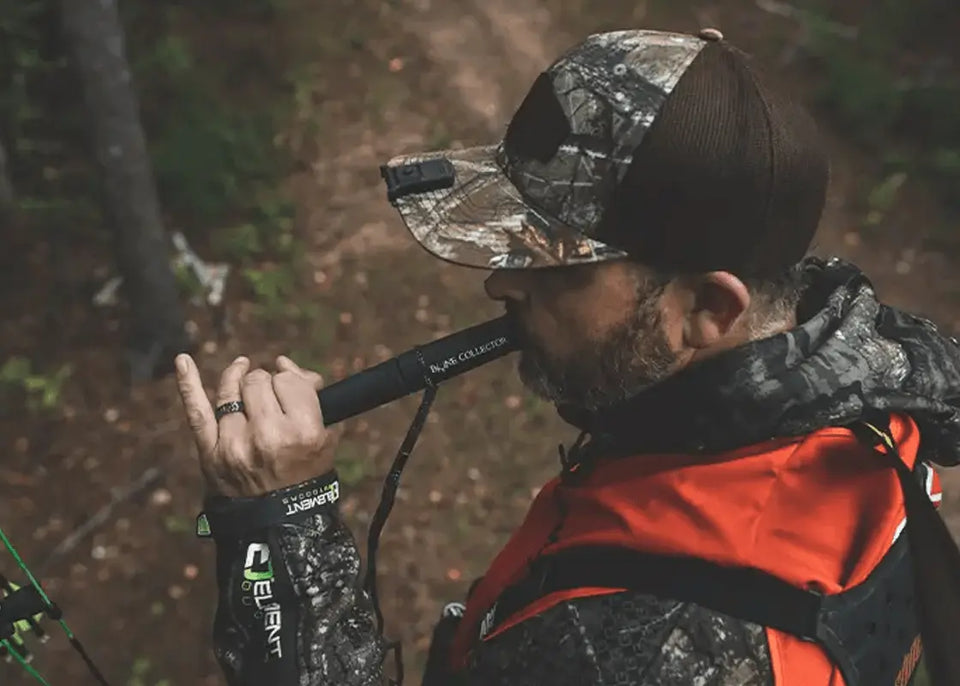
Deer season may get all the glory, but for Michael Waddell, wildlife management doesn’t stop when the stand comes down. In this Backyard Life video, the Bone Collector pulls back the curtain on one of the most vital conservation tools available to any hunter or land manager: predator trapping. So, follow along as he shows off exactly how he protects the quail, turkey, and whitetail populations on his South Georgia farm. And, why January and February are the most important months to get aggressive about it.
Why Predator Trapping Matters for Wildlife Conservation
It’s easy to become hyper-focused on your land during deer season, but Waddell is quick to point out that the off-season is when wildlife needs you most. While the tags are put away and stands are sitting empty, coyotes, raccoons, and opossums are hard at work raiding nests, preying on fawns, and quietly tipping the balance against the game populations you’ve spent years building.
Research backs this up. As Waddell points out, studies out of multiple universities have found a high percentage of ground-nesting bird nests are raided by predators each season. Raccoons and opossums are the most common culprits. The takeaway, as Waddell puts it, is simple: combine solid habitat management with consistent trapping, and you dramatically improve the survival rates of the creatures you’re working to protect.
He’s just as quick to point out it’s not about eradication, it’s about conservation. The goal isn’t to wipe out every coyote or raccoon on the property. It’s about managing predator pressure to give turkeys, quail, and deer fawns a fighting chance.
Best Time to Trap Coyotes and Other Predators
Waddell’s timing is intentional. As soon as deer season closes, his focus shifts to trapping. January and February, he explains, are the prime window to target coyotes and nest predators before spring nesting season begins. Get ahead of the problem before hens start sitting on eggs and before fawns start hitting the ground in early summer, and you’ve already changed the odds in your favor.

Essential Trapping Equipment
Before you ever dig your first dirt hole, Waddell runs through the gear that makes his trapping setups a success.
- MB-500 Offset Jaw Trap: The offset jaw design reduces injury risk to non-target animals, including domestic dogs. If a dog stumbles into one, it experiences discomfort but no broken bones.
- Choke Stick: Legally required trapping equipment in most states. Waddell makes his own using heavy cable and a sturdy PVC handle. It allows you to safely control and release any animal you didn’t intend to catch.
- Trap Stake and Driver Rod: A solid anchor point is non-negotiable. If it’s not anchored deep, a coyote will pull the whole set out of the ground.
- Dirt Sifter and Brush: For creating a clean, natural-looking set. Sift the dirt back over the trap pan, sweep it level, and make sure nothing looks disturbed.
- Cordless Drill with Auger Bit: A game-changer for punching through hard Georgia clay. Waddell uses it to dig out his bait hole cleanly and quickly.
- Knee Pad: A small quality-of-life addition that keeps you comfortable while setting traps and reduces the scent you leave behind.
- Wax-Coated Traps: Waxing protects the metal from rust and helps reduce human scent transfer.
- Dog-Proof Raccoon Trap: A cylindrical trap that cables directly to a tree. Because of its design, only an animal that reaches inside with its paw (like a raccoon) can trigger it. Meaning domestic dogs can’t set it off.
How to Set a Dirt Hole Trap for Coyotes
Waddell learned all he knows from experienced trappers who taught him what actually works in the field.
Step 1: Pick the Right Location
Coyotes and other predators love to run roads, creek crossings, and low-lying areas with thick brush nearby. Waddell often sets his traps in the middle of logging roads or two-track lanes where predators naturally travel. A low spot with thick cover on one side and open hardwoods on the other is a prime crossing zone. He also thinks about wind direction, he wants the scent hitting them from every angle.
Step 2: Bed the Trap and Drive the Stake
Waddell says to place the stake in the center of your intended set and drive it to the point where it won’t budge. Then position the trap level on the ground and work it in until it’s secure. If a coyote feels the trap shift underfoot, he’s gone.
Step 3: Sift, Level, and Set the Trigger
Using your dirt sifter, sift fine dirt from your bait hole back over the trap pan. Then sweep the surface level with your brush until it blends naturally with the surrounding ground. Step on both sides of the trap to set the jaws and double-check the pan has zero movement.
Step 4: Mark Your Pan and Measure the Bait Hole Distance
Press your thumb into the center of the pan to mark it, then measure roughly about the span from your thumb tip to your pinky, fully extended. That’s where your bait hole goes. Mark that spot with a small stick so you don’t lose it when you sift the remaining dirt back over the set.
Step 5: Sift the Remaining Dirt Back Over the Set
Take the leftover dirt from your pile and sift it back over everything, covering the trap completely. Use your brush to create a clean, natural-looking surface. The goal is for nothing to look disturbed.
Step 6: Drill the Bait Hole
Using the cordless drill and auger, punch your bait hole at the marked spot. Angle it back toward the trap and go as deep as you can. A shallow hole is a trap’s worst enemy—a savvy coyote will nose the bait right out without ever stepping on the pan. Add a few rocks or debris around the far edge of the hole to naturally guide the coyote to approach from the trap side.
Step 7: Add Bait and Lure
Drop about a tablespoon of bait (Waddell likes beaver castor-based or mouse-based options) deep into the bottom of the hole. Then take a dead stick, dab it with predator gland lure, and set it just above the opening. Finish with a light spray of red fox urine nearby.
A trick Waddell swears by (especially for bobcats) is placing a few bird feathers near the set. It adds a subtle visual trigger that pulls in cats just as reliably as the scent does.
Step 8: Spray Down with Scent Thief
The final step is spraying the entire set area with Scent Thief to help dissipate human odor. By the time the scent product wears off, your odor has faded with it.

Raccoon Trapping Tips
For raccoons and opossums, Waddell relies on dog-proof traps cabled to trees near known feeding areas. He primes the area beforehand by scattering corn and vanilla wafers to get raccoons comfortable feeding in the location. The bait inside the trap itself? An oversized marshmallow. A raccoon reaches in to grab it and the trap fires. No risk to dogs, cats, or other non-target animals.
Since raccoons and opossums are among the top nest predators for turkey and quail, running several of these traps throughout winter can make a measurable difference by the time spring nesting season arrives.
Reading the Results
Waddell wraps up his season each year having caught a mix of coyotes, bobcats, raccoons, and opossums. Even on a muddy, rainy day, he reflects on the bigger picture with confidence. Every predator removed from the landscape during the off-season represents a nest that doesn’t get raided, a fawn that gets a fighting chance, and a turkey flock that has a better shot at growing.
Frequently Asked Questions
Why should hunters trap predators in the off-season?
Coyotes, raccoons, and opossums don’t take a break when hunting season ends. Winter is when they’re actively preying on the same game populations you’ve spent years building. Getting aggressive with trapping in January and February—before turkey nesting season and fawning season begin—is one of the highest-impact things a land manager can do.
How is predator trapping conservation, not eradication?
The goal isn’t to eliminate every predator on your property—it’s to manage predator pressure enough to improve survival rates for nesting birds and newborn fawns. A healthy ecosystem still needs predators. Trapping is about balance, not elimination.
Is predator trapping legal, and what do I need?
Regulations vary by state, but most require traps to be tagged with your trapping license information. A choke stick is legally required in most states for safely handling and releasing non-target animals. Always check your local wildlife regulations before setting traps.
Does trapping hurt non-target animals like dogs?
With the right equipment, the risk is minimal. Offset jaw traps like the MB-500 are designed to hold without breaking bones, and dog-proof raccoon traps can only be triggered by an animal reaching inside with its paw—making them virtually impossible for dogs to set off.